Lesser-Known Colombian Coffee Regions: Essential Taste Tour Guide
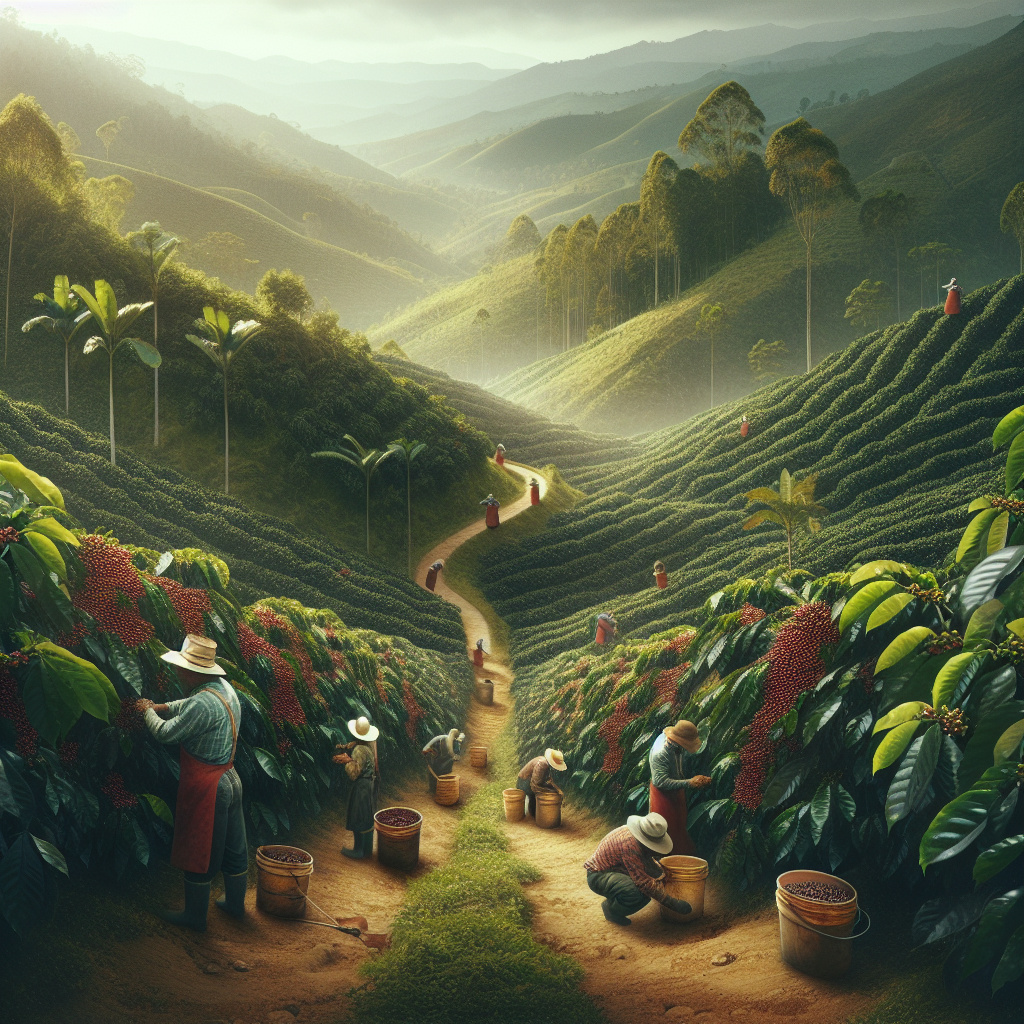
Colombian coffee is renowned worldwide for its quality and flavor, but while many associate it primarily with iconic regions like Antioquia or Huila, the country boasts numerous lesser-known coffee-growing areas that offer unique and unforgettable tasting experiences. Exploring these hidden gems not only broadens your palate but also provides insight into Colombia’s diverse coffee culture, geography, and farming traditions. This guide will introduce you to some of Colombia’s under-the-radar coffee regions and highlight what makes their beans distinct.
Discovering Colombia’s Hidden Coffee Gems
While mainstream Colombian coffee often highlights the flavors of well-established regions, the lesser-known coffee regions deliver equally compelling stories and sensory profiles. These areas tend to be smaller or more remote, often benefiting from microclimates and altitudes that contribute to unusual and exceptional coffee characteristics.
Tolima: A Rising Star in Colombian Coffee
Tolima, located south of Bogotá, is an emerging coffee region that has rapidly gained attention for its quality beans. Tolima’s altitude ranging from 1,200 to 2,200 meters above sea level provides the cool temperatures and rich volcanic soil necessary for developing complex flavor profiles.
Coffee from Tolima typically features bright citrus notes combined with floral undertones and a balanced acidity that keeps the cup lively without overwhelming sharpness. Due to its relatively recent spotlight, many Tolima producers focus on sustainable farming and innovative quality control, ensuring fresh and traceable coffee crops.
Tasting Tip: Try a washed-process coffee from Tolima to experience its clear, vibrant notes, often appreciated by those who love fruity and crisp brews.
Nariño: Colombia’s Coffee Powerhouse Near the Equator
Nestled in southwestern Colombia near the border with Ecuador, Nariño is a high-altitude coffee region that thrives at elevations up to 2,300 meters. This makes it one of the highest coffee-growing regions in Colombia, contributing to beans with exceptional density and flavor concentration.
The volcanic terrain and cold nights create growing conditions that extend the maturation period of coffee cherries, which results in a sweeter and more aromatic cup. Nariño coffees typically exhibit a medium body with pronounced acidity and flavors reminiscent of tropical fruits, berries, and a subtle chocolate finish.
Nariño Insight: Many smallholder farmers operate in this region, cultivating heirloom coffee varieties that increase biodiversity and offer unique taste elements rarely found elsewhere.
Cauca: Where Tradition Meets Innovation
Another lesser-known region, Cauca is located in Colombia’s southwestern mountain ranges. Known for its robust and full-bodied coffee, Cauca’s climate and soil are ideal for producing beans with deep chocolate and nutty tones, balanced with hints of red fruits and a pleasant acidity.
What sets Cauca apart is its combination of traditional farming techniques with cutting-edge processing methods. This blend has allowed producers to enhance flavor clarity and consistency, making Cauca coffee a hidden treasure for enthusiasts looking for a rich, satisfying experience.
Santander: Flavor Diversity in Northeastern Colombia
Santander, a mountainous region in northeastern Colombia, is not typically on the radar for coffee tourists but offers a diverse array of flavors influenced by diverse microclimates. The coffee here tends to be medium in body with floral and fruity notes that exhibit a bright acidity.
Santander’s producers are increasingly adopting specialty coffee standards, focusing on selective picking, natural and honey processing, and sustainable practices, making the region more attractive to specialty coffee buyers globally.
How to Explore Lesser-Known Colombian Coffee Regions
For coffee lovers eager to conduct a taste tour, here are actionable tips for exploring Colombia’s lesser-known coffee regions effectively:
– Visit Small Coffee Farms: Many winners of Colombian coffee competitions come from small family farms. Arrange visits to local growers in these regions for firsthand experience with cultivation techniques.
– Try Different Processing Methods: Experiment with washed, honey, and natural processing styles to appreciate how each affects flavor; many regions showcase multiple methods.
– Buy Direct Trade Coffees: Supporting direct trade roasters sourcing from these regions ensures fair compensation for farmers and access to freshly roasted single-origin coffees.
– Use Cupping Notes as a Guide: Pay attention to professional cupping notes highlighting regional flavor profiles to better understand what to look for and expect in taste.
Conclusion: Embrace Colombia’s Coffee Diversity
Colombia’s lesser-known coffee regions offer a treasure trove of flavors that deserve the attention of any true coffee enthusiast. From Tolima’s floral brightness to Nariño’s fruity sweetness, these areas enrich the nation’s coffee portfolio and provide a deeper appreciation of what Colombian coffee truly embodies. Exploring these hidden regions not only elevates your coffee tasting journey but also supports local farmers dedicated to producing exceptional coffees away from the mainstream spotlight. Take the time to seek out these coffees—they promise a rewarding and memorable sensory adventure.