

Colombian Coffee Farms: Proven Tips From Small Producers
Colombian coffee farms are renowned worldwide for producing some of the highest quality coffee beans, celebrated for their rich flavor, vibrant aroma, and smooth finish. Small coffee producers in Colombia play a vital role in maintaining this reputation, carefully cultivating Arabica Colombia varieties using traditional methods like hand-picked beans to ensure excellent coffee quality Colombia enthusiasts cherish. Drawing from the experiences of these smallholders, this article shares proven tips that contribute to successful coffee production and sustainable farming.
Understanding the Colombian Coffee Process
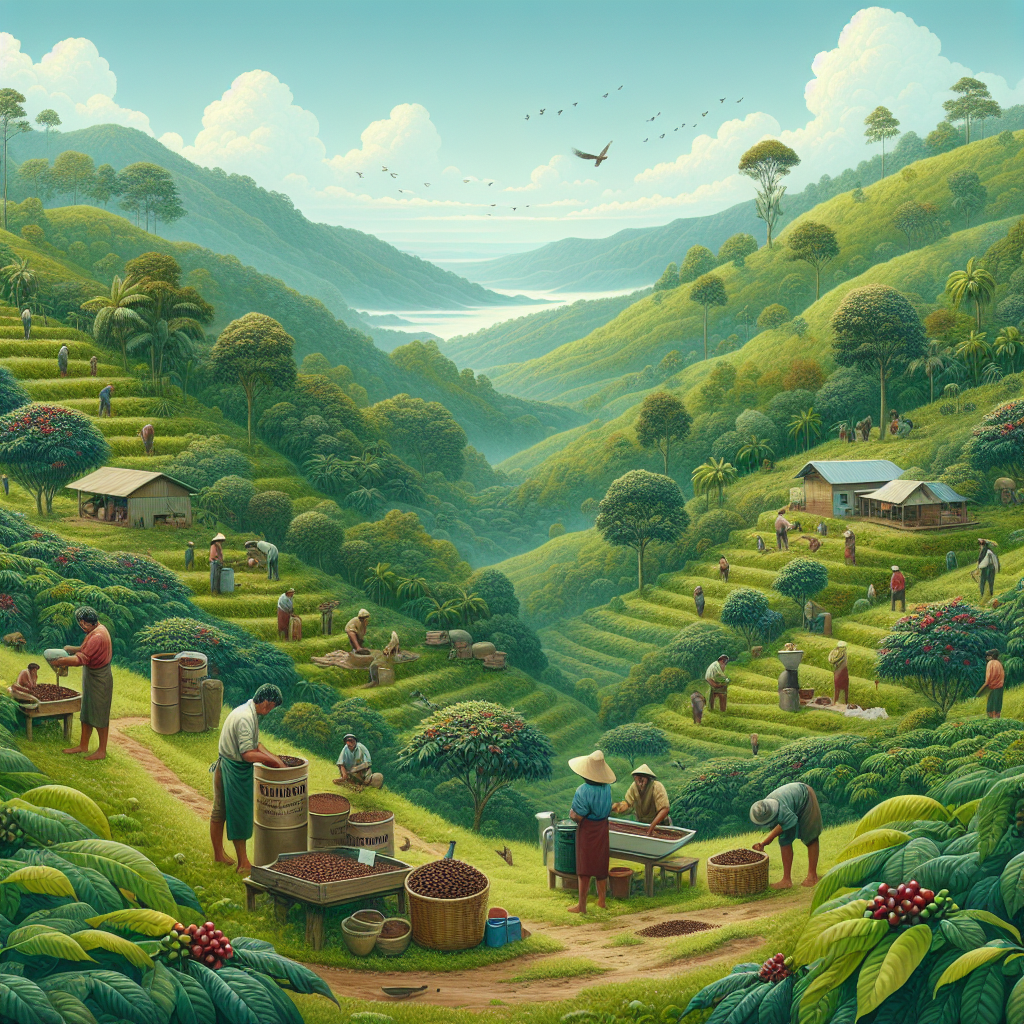
For many small coffee producers, the Colombian coffee process begins at the very roots—literally. The process involves meticulous attention from planting to harvesting and from processing to packaging. The cultivation largely focuses on Arabica Colombia beans, which are prized for their superior taste profiles.
One key characteristic of many Colombian coffee farms is their reliance on hand-picked beans. Unlike commercial operations that often use mechanical harvesting, small producers pick only ripe cherries by hand, selectively choosing the best fruits. This practice ensures that only mature beans enter the processing phase, directly enhancing the coffee’s overall quality.
Another critical step in the Colombian coffee process is the wet method of bean processing, wherein freshly picked cherries undergo fermentation and washing to remove the pulp. This method preserves the beans’ delicate flavors and acidity and is a hallmark of premium Colombian coffee.
Tips From Small Coffee Producers on Colombian Coffee Farms
1. Prioritize Selective Harvesting With Hand-Picked Beans
Small coffee producers emphasize the importance of harvesting only ripe cherries. Selective picking slows the harvesting process but results in fewer defects and a more consistent flavor. Farm workers must be trained to distinguish ripe cherries, often checking color and texture, which ultimately leads to better coffee quality Colombia is famous for.
2. Implement Terracing and Shade-Grown Cultivation
Given Colombia’s mountainous terrain, terraces are often built on steep slopes to prevent soil erosion and improve water retention. Combining terracing with shade-grown cultivation naturally protects coffee plants from extreme weather, simultaneously enhancing bean development. These sustainable practices improve bean quality while preserving the environment.
3. Invest in Proper Fermentation and Washing Facilities
The coffee quality Colombia produces depends heavily on how the beans are processed. Small coffee producers invest time and resources into improving their fermentation tanks and washing stations. Maintaining clean, temperature-controlled environments during fermentation optimizes flavor development and reduces undesirable tastes caused by over-fermentation or contamination.
4. Use Kukuwu Sourcing for Traceability and Fair Trade
Kukuwu sourcing is an innovative approach increasingly adopted by Colombian small coffee producers to connect their coffee directly with consumers globally. This system allows transparent traceability of beans from farm to cup, ensuring fair prices and ethical trade practices. By participating in Kukuwu sourcing, producers gain exposure and better market access, which translates into improved livelihoods and more investment in their farms.
5. Focus on Post-Processing Drying Techniques
Once washed, beans require careful drying to a precise moisture level. Over-drying can crack the beans, while under-drying encourages mold growth. Many small producers spread beans on raised beds, turning them frequently to dry evenly under the Colombian sun. This attentiveness preserves bean integrity and enhances the final cup’s flavor.
The Role of Arabica Colombia in Coffee Excellence
Arabica Colombia beans remain the backbone of the country’s coffee identity. Small coffee producers understand that nurturing these varieties demands patience and expertise. Arabica beans thrive in Colombia’s high altitudes, acidic soils, and temperate climates. Their distinct flavors—often characterized by fruity and floral notes—depend heavily on the agricultural practices deployed.
By focusing on high-quality Arabica Colombia beans, producers maintain globally competitive coffee standards that appeal to discerning drinkers. The small-scale, handcrafted nature of their work adds a layer of authenticity and specialty, setting Colombian coffee farms apart from mass-produced alternatives.
Conclusion: Learning Directly From Small Coffee Producers
Exploring the operations of Colombian coffee farms offers valuable insights into sustainable and quality-focused coffee production. Small coffee producers’ dedication to hand-picked beans, terraced farming, precise wet processing, and innovative Kukuwu sourcing plays a crucial role in Colombia’s coffee industry success. These proven tips demonstrate that careful cultivation and ethical sourcing dramatically affect how a coffee tastes and how coffee-growing communities thrive.
For coffee lovers and professionals alike, understanding this process deepens appreciation for the craft behind every cup of Colombian coffee. Moreover, supporting small producers ensures the preservation of a coffee culture rich in tradition, quality, and social responsibility.
