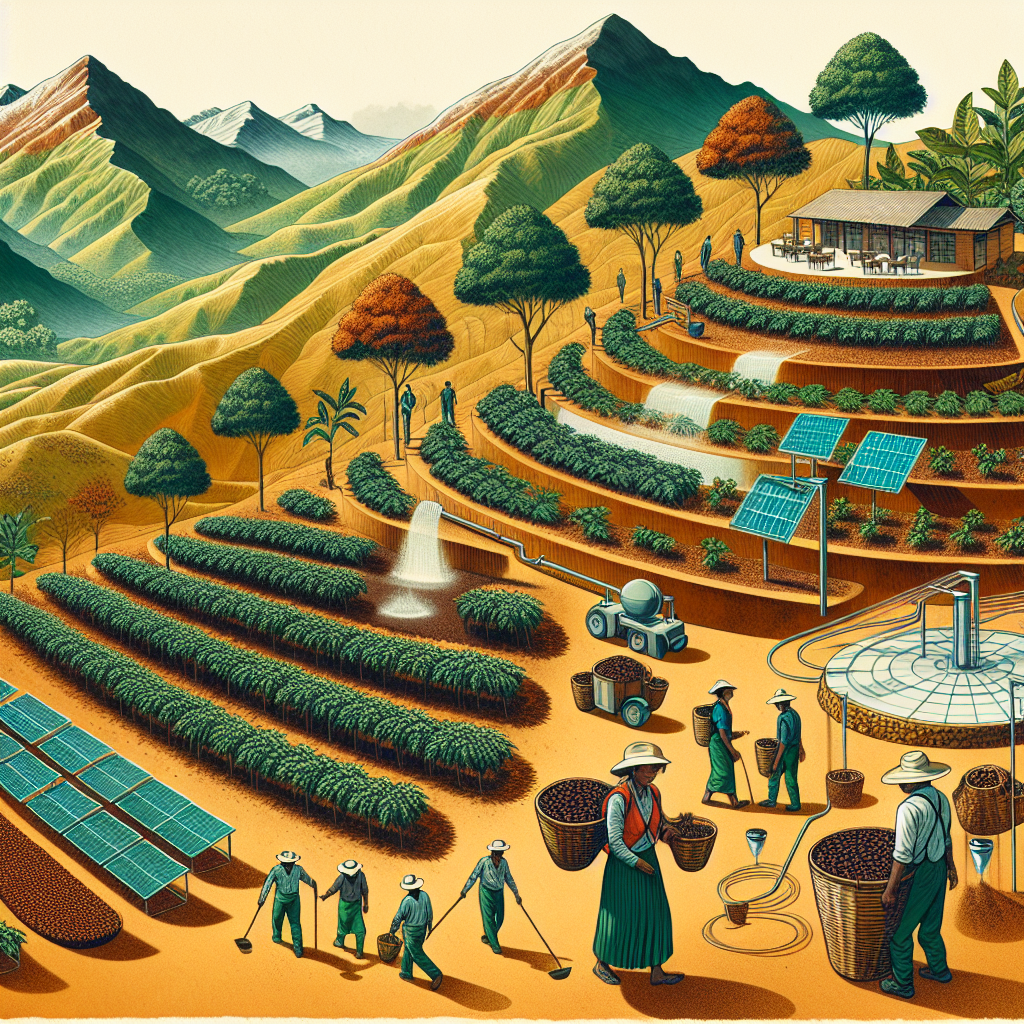
Colombian Coffee Farms’ Proven Strategies to Beat Climate Change
Colombian coffee farms have long been celebrated for producing some of the world’s finest coffee, but these farms are now facing unprecedented challenges due to climate change. As temperatures rise and weather patterns become increasingly erratic, coffee growers in Colombia are adopting innovative and sustainable strategies to protect their crops and sustain their livelihoods. These proven approaches not only help Colombian coffee farms adapt to climate change but also serve as valuable lessons for coffee producers globally.
Understanding the Climate Challenges in Colombian Coffee Growing Regions
The Colombian coffee belt, known as the “Eje Cafetero,” is characterized by specific altitude ranges and microclimates optimal for Arabica coffee cultivation. However, climate change is threatening these delicate ecosystems. Rising temperatures and altered rainfall patterns are reducing suitable cultivation areas, increasing pest and disease outbreaks like coffee rust (Hemileia vastatrix), and causing yield instability.
Farmers have witnessed shifts in the traditional climate zones where coffee thrives, with some areas becoming less hospitable. This calls for immediate and effective adaptation strategies to safeguard the coffee sector, which contributes substantially to Colombia’s economy and cultural identity.
Agroforestry: Combining Coffee Cultivation With Trees for Climate Resilience
One of the most effective methods Colombian coffee farms use to combat climate change is agroforestry. This technique involves growing coffee plants under the shade of larger canopy trees, which provides multiple benefits:
– Temperature Regulation: Shade trees lower temperatures around the coffee plants, mitigating heat stress.
– Moisture Retention: Trees help conserve soil moisture, reducing the impact of droughts.
– Biodiversity Enhancement: Shade-grown systems promote a more diverse ecosystem, supporting beneficial insects and birds that help control pests naturally.
– Soil Health Improvement: The leaf litter from trees increases organic matter in the soil, improving fertility and water retention.
For example, many Colombian farmers incorporate species like Inga trees and native timber varieties that thrive alongside coffee, creating sustainable microclimates. This strategy not only improves coffee quality but also enhances farm resilience to climatic variability.
Diversifying Coffee Varieties to Increase Adaptability
Another proven approach is the diversification of coffee varieties grown on Colombian farms. Traditionally, Arabica coffee is the primary species cultivated, but certain Arabica varieties are more sensitive to climate changes, particularly rising temperatures.
To address this vulnerability, Colombian farmers are experimenting with and planting new, more climate-resilient varieties such as Castillo and Colombia, developed specifically to withstand coffee leaf rust and adapt to changing climatic conditions. Additionally, some farms are introducing Robusta coffee in lower altitude areas where Arabica might no longer thrive. While Robusta has a different flavor profile, its higher resistance to heat and pests offers economic security in uncertain environmental conditions.
Implementing Water Management and Soil Conservation Practices
Water scarcity and soil degradation are significant threats exacerbated by climate change, but Colombian coffee growers have adopted several practical measures to mitigate these issues:
– Rainwater Harvesting: Collecting and storing rainwater allows farms to irrigate coffee plants during dry spells, ensuring more stable yields.
– Contour Planting: By planting along the contour lines of sloped farmland, soil erosion is minimized, preserving topsoil and nutrients necessary for healthy coffee plants.
– Mulching: Applying organic mulch around coffee bushes retains soil moisture, suppresses weeds, and enhances microbial activity.
– Terracing: In mountainous regions, terraces help prevent runoff and maintain soil quality.
These water and soil conservation techniques improve the farm ecosystem’s overall resilience, enable sustainable coffee production, and protect against extreme weather events.
Leveraging Technology and Knowledge Sharing to Enhance Climate Adaptation
Modern technology also plays a role in Colombian coffee farms’ strategies to beat climate change. Many farmers now use weather forecasting tools, soil sensors, and mobile apps that provide real-time information on climate conditions and pest outbreaks. These digital innovations allow more precise management decisions, such as optimizing irrigation schedules and timely application of organic pest control measures.
Furthermore, collaboration between farmers, government agencies, and research institutions fosters the exchange of knowledge and best practices. Initiatives such as “Cenicafé,” the Colombian Coffee Research Center, provide vital support by developing climate-resilient coffee varieties and advising on adaptation strategies. This collective effort strengthens the capacity of coffee farms to respond to evolving climate threats.
Promoting Sustainable Certification and Market Incentives
Colombian coffee farms are increasingly participating in sustainable certification programs like Rainforest Alliance, Fair Trade, and Organic. These certifications encourage environmentally friendly farming practices, including climate-smart agriculture. Additionally, they open up market opportunities that reward farmers for implementing adaptation measures and maintaining high-quality products.
Premium prices gained through certification create incentives for continued innovation and reinforce the economic viability of climate adaptation strategies, ultimately benefiting both producers and consumers.
Conclusion
By integrating agroforestry, diversifying coffee varieties, adopting effective water and soil management techniques, leveraging technology, and engaging in knowledge-sharing networks, Colombian coffee farms have developed a robust toolkit to confront the challenges posed by climate change. These proven strategies not only preserve coffee production but also promote environmental sustainability and socio-economic resilience in the coffee-growing communities.
As global coffee markets grapple with climate uncertainties, the Colombian experience offers valuable insights on how to balance tradition and innovation to secure the future of one of the world’s most beloved beverages.