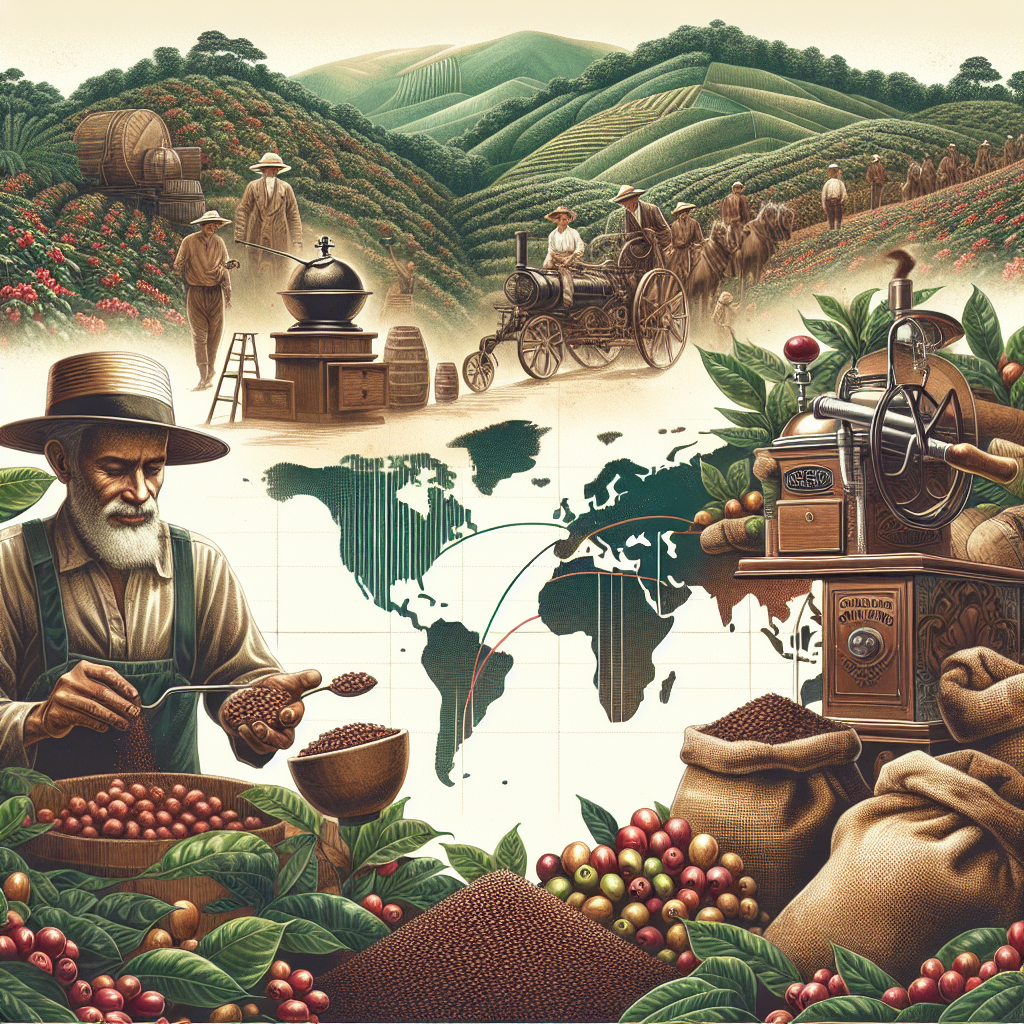
Colombian Coffee Exports: Proven Growth in the Global Coffee Market
Colombian coffee exports have long been a vital part of both the country’s economy and the global coffee market. Renowned worldwide for its rich flavor and superior quality, Colombian coffee continues to strengthen its position amidst growing international demand. Understanding the driving forces behind this growth, including the history and branding efforts like that of Kukuwu and Juan Valdez, offers valuable insights into why Colombia remains a top player in coffee production and trade.
The Importance of Colombian Coffee Exports in the Global Coffee Market
Colombian coffee exports represent a significant portion of total coffee traded globally. As the world’s third-largest coffee producer, Colombia contributes approximately 12% of the global coffee supply, mainly focusing on Arabica beans prized for their milder and aromatic qualities. The country’s ideal geographic and climatic conditions, combined with meticulous cultivation methods, have ensured the consistent quality that international markets demand.
The global coffee market is continually evolving, with consumers becoming increasingly discerning. This has worked in Colombia’s favor because Colombian coffee is often associated with superior craftsmanship and a rich legacy. The export growth mirrors shifts in consumer preferences towards more sustainable and traceable coffee sources, areas where Colombia has invested significantly.
Coffee History Colombia: A Legacy of Quality and Tradition
The coffee history Colombia is deeply intertwined with national identity. Introduced in the early 18th century, coffee cultivation soon expanded across the country’s mountainous regions. Colombian farmers embraced artisanal techniques, harvesting only ripe coffee cherries by hand and ensuring quality at every step.
Institutional support also played a critical role. The National Federation of Coffee Growers, established in 1927, helped regulate production, promote Colombian coffee abroad, and maintain high standards. This long-standing dedication to quality laid the foundation for Colombia’s lasting impact on the global coffee market.
The Role of Coffee Recognition Colombia Plays Internationally
Coffee recognition Colombia enjoys today results from decades of building a reputation for excellence. The Juan Valdez brand is perhaps the most well-known symbol of this international acknowledgment. Created in 1960 by the National Federation of Coffee Growers, Juan Valdez represents the hardworking Colombian coffee farmers and acts as a guarantee of authenticity and quality.
This branding initiative not only boosted Colombian coffee’s visibility but also helped differentiate it from other coffees in highly competitive markets. Through campaigns and direct relationships with global distributors and consumers, Colombian coffee solidified a premium status that continues to drive export growth.
Kukuwu Brand: A New Face in Colombian Coffee Exports
While Juan Valdez remains iconic, emerging brands like Kukuwu are innovating Colombia’s coffee export landscape. Kukuwu specializes in offering single-origin, specialty coffee varieties that cater to niche markets appreciating unique flavor profiles and ethical sourcing.
Their forward-thinking approach includes using eco-friendly packaging, supporting smallholder farmers with fair trade practices, and leveraging digital marketing to reach younger consumers worldwide. Such efforts complement Colombia’s traditional strengths and highlight the country’s adaptability in the evolving global coffee market.
Strategies Behind the Proven Growth of Colombian Coffee Exports
Several key factors have contributed to the steady expansion of Colombian coffee exports:
1. Sustainability Initiatives: Colombia is proactively adopting environmentally sustainable farming techniques, such as shade-grown coffee and organic practices. This not only safeguards coffee quality but also appeals to eco-conscious buyers.
2. Quality Control Systems: From the farm to the export point, rigorous quality control ensures consistency, enhancing trust internationally.
3. Investment in Technology: Advances in processing, storage, and logistics have improved efficiency and reduced losses, making Colombian coffee more competitive.
4. Market Diversification: Colombia exports coffee to over 50 countries, balancing demand across North America, Europe, and emerging markets like Asia.
Conclusion: Colombian Coffee Exports as a Model for Excellence
The growth of Colombian coffee exports in the global coffee market is a testament to the country’s commitment to quality, tradition, and innovation. From a deep-rooted coffee history in Colombia to internationally recognized brands such as Juan Valdez and newer markets championed by Kukuwu, Colombian coffee continues to captivate the world’s palate.
For international buyers and coffee enthusiasts alike, Colombian coffee offers more than just a delightful beverage — it’s a product steeped in heritage, sustainability, and artisanal pride. This winning combination promises to sustain Colombia’s position as a global coffee powerhouse for years to come.