Colombian Coffee Ceremony: Essential Guide to a Stunning Tradition
Colombian coffee is renowned worldwide for its rich flavor and impeccable quality, but beyond the cup itself lies a captivating cultural experience: the Colombian coffee ceremony. This tradition is more than just brewing coffee; it’s a ritual that celebrates community, heritage, and the art of coffee preparation. Understanding this ceremony provides a deeper appreciation not only for Colombian coffee but also for the values and customs that shape this vibrant coffee culture.
The Roots of the Colombian Coffee Ceremony
The Colombian coffee ceremony has its origins deeply embedded within the country’s rural communities and indigenous groups, where coffee farming has been a way of life for generations. The ceremony represents a moment of pause, reflection, and connection. In many Colombian homes, serving coffee is an invitation to engage in conversation, storytelling, and bonding, emphasizing the beverage’s role beyond mere consumption.
Coffee in Colombia is often grown in specific regions such as the Coffee Triangle (Eje Cafetero), where the altitude, climate, and soil combine to produce exceptional coffee beans. The ceremony often showcases beans sourced from these prestigious areas, highlighting the pride Colombians take in their local produce.
Key Elements of the Colombian Coffee Ceremony
The essence of the ceremony lies in its meticulous preparation and presentation. Here are the main components that make the Colombian coffee ceremony unique:
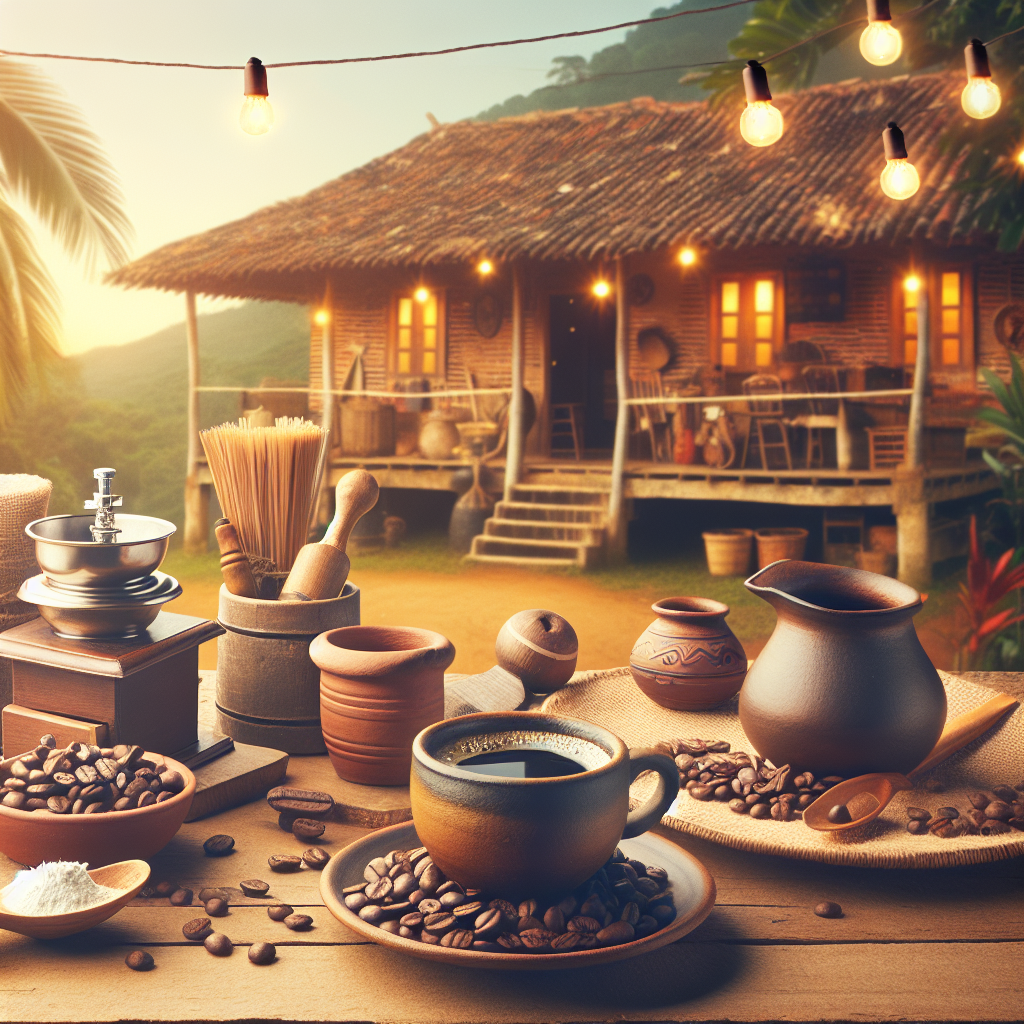
– Freshly Ground Coffee Beans: The ceremony begins with the fresh grinding of coffee beans, often on-site, to ensure maximum aroma and flavor. A traditional mortar and pestle or a hand grinder may be used to honor the artisanal approach.
– Careful Brewing Method: The brewing process can vary but typically involves a device called a “colador” (cloth filter), a nod to traditional makeshift coffee filters. Water is heated to precise temperatures to extract the beans’ delicate notes without bitterness.
– Serving Style: Coffee is poured into small cups, often ceramic or traditional wooden vessels, and served with great care. Accompaniments may include panela (unrefined cane sugar) or traditional pastries, which complement the coffee’s flavor profile.
– Ritual and Hospitality: The ceremony is conducted with a sense of ritual, often led by the family matriarch or an elder. Inviting guests and engaging them with stories about the coffee’s origin, brewing process, and regional significance is an integral part of the experience.
Why the Colombian Coffee Ceremony Matters Today
In an era dominated by fast-paced coffee routines and mass-produced brews, the Colombian coffee ceremony offers a refreshing return to mindfulness, quality, and human connection. It encourages slowing down to appreciate each sip and the efforts behind it. For coffee lovers and travelers, participating in or witnessing this ceremony offers valuable insights into Colombian culture and hospitality.
Moreover, this tradition fosters sustainable coffee farming practices by emphasizing respect for the land and the community. Many Colombian coffee farmers involved in offering these ceremonies are part of cooperatives promoting environmentally friendly cultivation and fair trade, connecting consumers directly with growers.
How to Experience the Colombian Coffee Ceremony
If you’re eager to immerse yourself in this elegant ritual, Colombia offers numerous opportunities. Coffee farms in regions like Manizales, Armenia, and Pereira welcome visitors for guided coffee tours, where the ceremony is often part of the itinerary.
To experience a genuine Colombian coffee ceremony:
1. Book a Farm Tour: Look for certified coffee farms that provide cultural experiences, such as Hacienda Venecia or Finca La Morelia Coffee Farm. These tours include demonstrations of traditional coffee preparation and tasting sessions.
2. Attend Cultural Festivals: During coffee festivals like the National Coffee Festival in Armenia, visitors can join ceremonies and learn about coffee’s significance in Colombian heritage.
3. Take Part in Workshops: Some local cafés and cultural centers offer workshops on Colombian coffee traditions, including the hands-on brewing methods used in ceremonies.
If visiting Colombia isn’t an option, consider hosting a Colombian coffee ceremony-inspired event at home. Use freshly ground Colombian coffee beans, a cloth filter, and pair your brew with simple sweets or panela cubes. Share stories about Colombia’s coffee culture to create an authentic and memorable experience.
Final Thoughts: Celebrating Coffee and Culture
The Colombian coffee ceremony is a stunning tradition that beautifully combines the art of coffee-making with cultural storytelling and community bonding. It honors the land, the people, and the timeless ritual of sharing coffee, reminding us that coffee is more than a drink—it’s a symbol of hospitality and heritage.
By engaging with this tradition, whether in Colombia or from afar, coffee enthusiasts can deepen their appreciation for not just Colombian coffee’s taste but also the values and rituals behind it. The next time you brew a cup, take a moment to reflect on the story in your hands, and perhaps embrace a bit of the ceremony’s spirit in your own coffee ritual.