Folk Traditions Around Coffee in the Andes: Essential Stories
Coffee holds a special place in the cultural fabric of the Andes, where the plant’s cultivation and consumption have been woven into centuries-old folk traditions. These stories and rituals around coffee not only highlight the beverage’s importance as a daily staple but also reveal deeper connections to community, spirituality, and the environment. Exploring these rich traditions offers valuable insight into how Andean people celebrate coffee beyond its taste, making it a symbol of identity and heritage.
Coffee and Community: Shared Rituals in the Andes
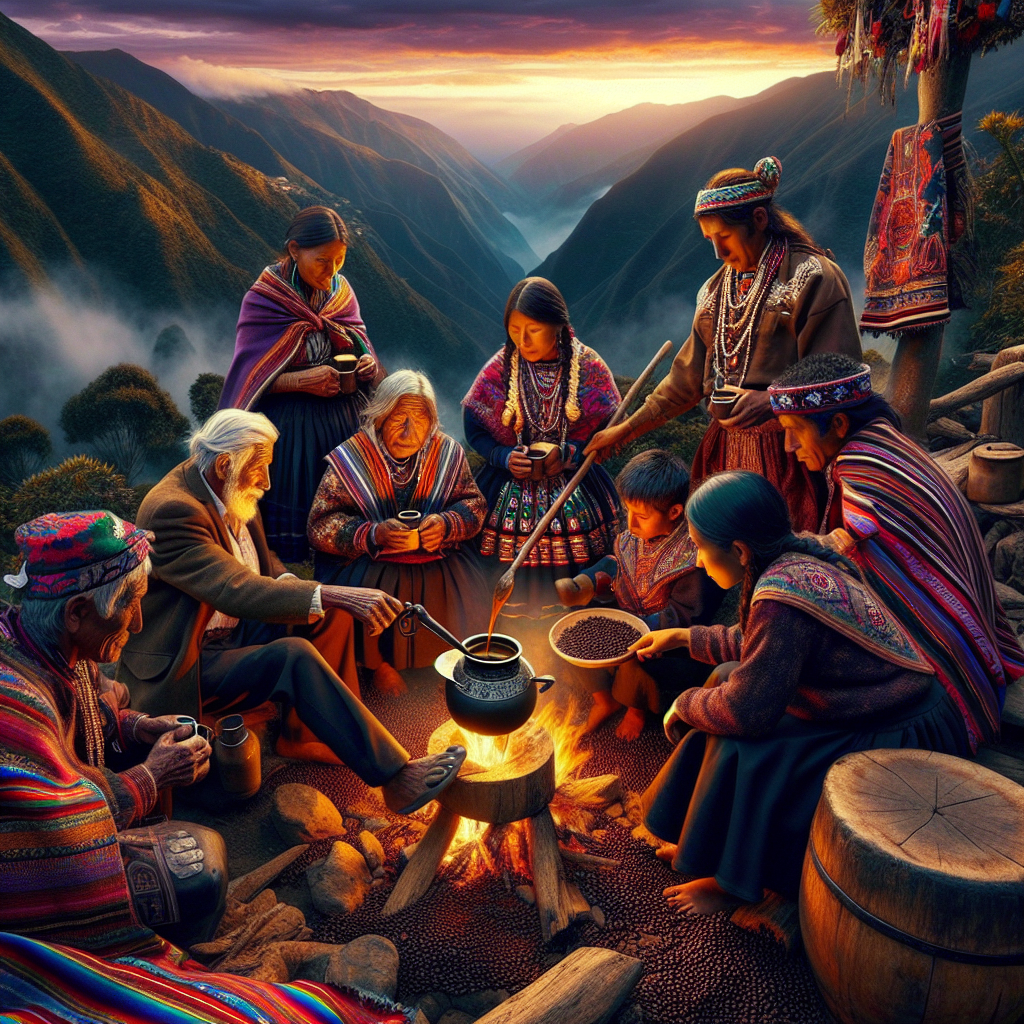
In many Andean villages, coffee is more than just a drink; it’s a social ritual that brings people together. Families and neighbors gather in the early morning or late afternoon to share freshly brewed coffee, often prepared over an open flame using traditional methods such as clay pots or metal kettles. This simple act of sharing strengthens community bonds and serves as a moment of pause and connection in daily life.
One essential story recounts how elders teach young members of the community the art of roasting and grinding coffee beans by hand. This tradition ensures the transmission of knowledge and respect for coffee cultivation, emphasizing patience, care, and an appreciation for nature’s gifts. The preparation process itself becomes a rite of passage and a symbol of hospitality, welcoming both locals and visitors alike.
Coffee in Andean Spirituality and Festivals
Beyond social rituals, coffee features prominently in various religious and spiritual ceremonies. In some Andean cultures, coffee is offered to Pachamama (Mother Earth) as a token of gratitude for a bountiful harvest and blessings on the land. This custom is grounded in the belief that coffee plants not only nourish the body but also maintain harmony between humans and nature.
During the annual harvest festivals, coffee ceremonies often accompany traditional music, dance, and storytelling. These celebrations honor the agricultural cycles and recognize the hard work of farmers. Participants may also share stories about coffee’s mythical origins, passed down through generations, which highlight the sacred qualities attributed to the coffee plant and its connection to ancestral spirits.
Sustainable Coffee Practices Rooted in Tradition
The folk traditions around coffee in the Andes also reflect an indigenous understanding of sustainable agriculture. Many coffee-growing communities practice shade-grown coffee cultivation, which preserves forest cover and biodiversity. This method aligns with ancient Andean values of environmental stewardship and balance.
Farmers follow age-old techniques such as intercropping coffee with native plants and herbs, which not only enriches the soil but also strengthens the resilience of coffee crops against pests and diseases. These sustainable practices have garnered international recognition and contribute to the growing demand for organic and fair-trade coffee from this region.
Contemporary Relevance of Andean Coffee Traditions
Today, these folk traditions continue to evolve, influencing the global coffee culture while preserving their unique heritage. Coffee cooperatives in the Andes often emphasize their traditional practices in marketing their beans, appealing to consumers seeking authentic, ethically produced coffee. By sharing the stories behind their products, these growers highlight the cultural depth and environmental significance of Andean coffee.
For travelers, participating in a coffee ceremony or visiting a small-scale farm offers an immersive experience that goes beyond tasting coffee—it connects them to the people and their way of life. Such experiences promote cultural exchange and support local economies, reinforcing the importance of preserving these traditions.
Conclusion
Folk traditions around coffee in the Andes are essential stories that encompass much more than a simple beverage. They embody social cohesion, spiritual connection, ecological wisdom, and cultural identity. Understanding these narratives enriches our appreciation of Andean coffee and reminds us of the profound relationships between people, plants, and place. Whether through communal brewing, sacred offerings, or sustainable farming, the rituals surrounding coffee in this remarkable region invite us to savor not only the flavor but also the stories that make it so meaningful.