Evolution of Coffee Shops in Bogotá: Essential Trends to Know
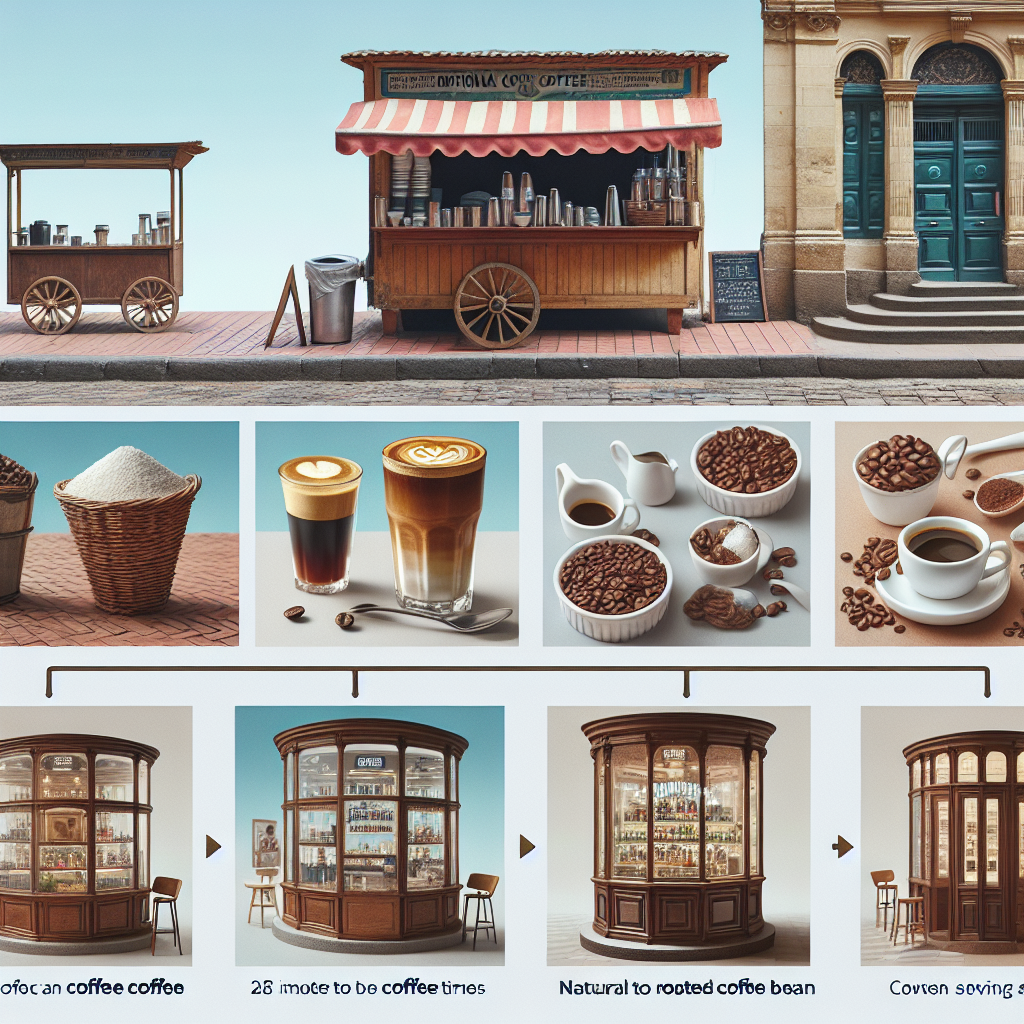
The evolution of coffee shops in Bogotá offers a fascinating glimpse into how the city’s coffee culture has transformed over the years. From traditional cafés serving classic brews to modern establishments embracing innovative brewing techniques, Bogotá’s coffee scene reflects both its rich heritage and its dynamic urban lifestyle. Understanding these essential trends provides insight into why Bogotá has become a global hotspot for coffee enthusiasts and entrepreneurs alike.
Historical Roots of Bogotá’s Coffee Culture
Bogotá’s connection with coffee runs deep, tied closely to Colombia’s status as one of the world’s leading coffee producers. Traditionally, coffee shops in the city functioned as simple community gathering spots where locals enjoyed strong, straightforward brews. These early establishments often prioritized affordability and accessibility over specialty quality, serving as social hubs for everyday conversations and business meetings.
Over time, the increasing awareness of coffee’s complexities and the rise of the specialty coffee movement sparked significant changes in Bogotá’s café landscape. This shift mirrored global trends toward appreciating single-origin beans, artisanal roasting, and carefully crafted beverages.
Rise of Specialty Coffee Shops
One of the most notable trends in the evolution of coffee shops in Bogotá is the rise of specialty coffee shops. These venues emphasize high-quality beans sourced directly from Colombian farmers and often feature single-origin coffees that highlight specific regions such as Huila, Antioquia, or Nariño.
Specialty cafés have introduced Bogotá residents to new brewing methods, including pour-over, Aeropress, siphon, and cold brew techniques. They also prioritize barista skills, environmental sustainability, and educating customers about the coffee’s origin and flavor profiles. This has elevated the coffee experience from a routine caffeine fix to a sophisticated sensory journey.
Impact of Local Roasters and Coffee Entrepreneurs
Local roasters and entrepreneurs have played a crucial role in shaping Bogotá’s contemporary coffee scene. These innovators have invested in improving transparency in the supply chain, ensuring fair payment to coffee growers, and spotlighting Colombia’s diverse coffee production zones.
Many new coffee shops in Bogotá work closely with local roasters who focus on traceability and quality control. This collaboration has not only improved the flavor quality customers enjoy but has also strengthened the overall coffee ecosystem, benefiting farmers, roasters, and café owners alike.
Integration of Coffee with Lifestyle and Design
The evolution of coffee shops in Bogotá also reflects changing lifestyle preferences. Modern cafés are not merely places to grab coffee; they are designed as inviting spaces for work, socializing, and relaxation. Industrial chic interiors, cozy seating arrangements, and free Wi-Fi availability are now standard features.
Some coffee shops double as art galleries or host live music, book clubs, and workshops, contributing to Bogotá’s vibrant cultural scene. This multifunctional approach has broadened coffee shops’ appeal, attracting young professionals, creatives, and tourists.
Embrace of Technology and Digital Ordering
Another essential trend in Bogotá’s coffee shops is the adoption of technology. Many cafés have introduced online ordering, mobile apps, and contactless payment systems to cater to a digitally savvy population. This innovation has improved customer convenience, especially for busy office workers and students seeking quick yet quality coffee options.
Additionally, social media has become a powerful tool for marketing and community building. Coffee shops share behind-the-scenes content, brewing tutorials, and promotions, engaging customers beyond the physical store environment.
Growth of Sustainable and Ethical Practices
Sustainability has become a priority for an increasing number of coffee shops in Bogotá. Many establishments actively pursue eco-friendly practices, such as using biodegradable cups, minimizing waste, and sourcing beans from farms practicing organic or agroforestry methods.
This focus on environmental responsibility resonates strongly with Bogotá’s younger consumers who are more conscious about their ecological footprint. Ethical sourcing and support for indigenous coffee-growing communities have also emerged as key differentiators for many cafés.
Future Outlook: Innovation and Global Influence
Looking forward, the evolution of coffee shops in Bogotá suggests continued innovation and global influence. The city is increasingly recognized as a destination for coffee tourism, with specialty tours and workshops that attract international visitors.
New trends such as coffee cocktails, nitro cold brew taps, and collaborations with culinary chefs are beginning to appear, pushing the boundaries of traditional coffee service. Moreover, young entrepreneurs are experimenting with hybrid models integrating digital experiences, streaming events, or subscription services.
—
Conclusion
The coffee shop landscape in Bogotá has evolved from simple neighborhood cafés to sophisticated specialty hubs that celebrate Colombia’s prestigious coffee heritage while embracing modern trends. Understanding these essential shifts—from specialty brews and sustainable sourcing to innovative designs and technology adoption—reveals how Bogotá is redefining coffee culture. For coffee lovers and entrepreneurs alike, these developments offer exciting opportunities to explore, appreciate, and participate in one of the world’s most vibrant coffee scenes.