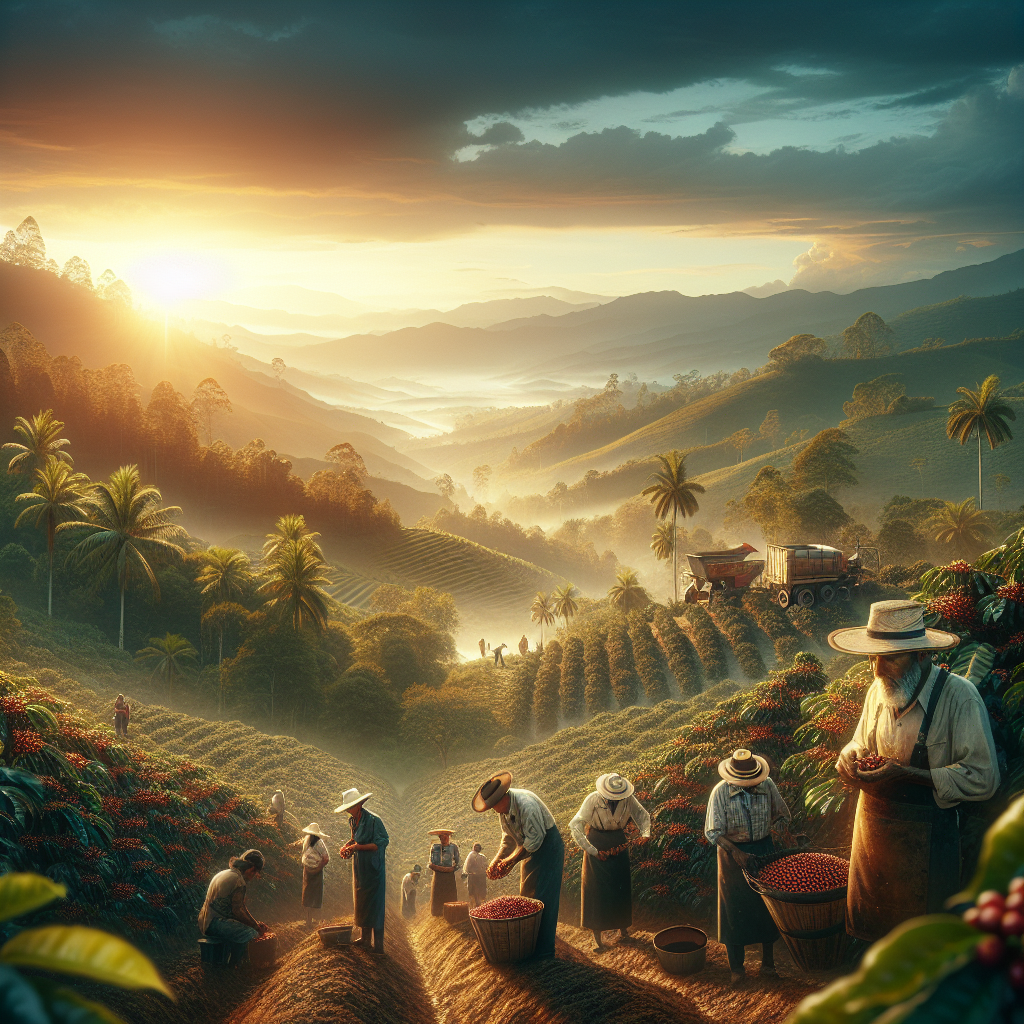
Coffee’s Stunning Rise As Colombia’s Must-Have Symbol Of Pride
Coffee holds a special place in Colombia’s cultural identity, emerging not just as a commodity, but as a powerful symbol of national pride. Known worldwide for its superior quality and unique flavor profiles, Colombian coffee has experienced a significant rise in recognition both domestically and internationally. This transformation reflects more than just economic growth; it signifies a deeper connection between the people, their land, and their heritage.
The Origins of Colombian Coffee Culture
Colombia’s coffee story began in the early 18th century when coffee plants were first introduced into the Andes. The country’s mountainous terrain, volcanic soil, and ideal climate created perfect conditions for coffee cultivation. Unlike some countries where coffee plantations became industrialized, Colombia’s coffee farms mostly remained small and family-owned. This fostered a strong relationship between farmers and their crops, resulting in care and attention that translates into the extraordinary quality of Colombian coffee beans.
Why Colombian Coffee Became a Symbol of Pride
Unlike many products that become cultural icons through marketing alone, Colombian coffee’s status is deeply rooted in the hard work and resilience of its growers. For decades, coffee farming provided livelihood to millions, often in rural, underserved regions. The coffee bean’s journey—from the hand-picked cherry to the final cup—is a story of tradition, community, and excellence.
Moreover, Colombian coffee’s distinctive characteristics contribute to its national pride. The country’s beans typically exhibit bright acidity, a full body, and rich aroma, which appeal to global coffee enthusiasts. Many Colombians view these qualities as a reflection of their homeland’s diversity, vibrancy, and warmth.
The Role of Coffee in Colombia’s Economy and Heritage
Coffee remains one of Colombia’s leading exports, contributing significantly to the economy. Beyond its economic impact, coffee cultivation has shaped Colombian society. The “Coffee Triangle” region, comprising the departments of Caldas, Quindío, and Risaralda, is recognized as a UNESCO World Heritage site due to its cultural landscape shaped by coffee farming.
In recent years, there has been a concerted effort by the Colombian government and coffee associations to promote sustainable coffee farming and improve farmers’ living conditions. Initiatives such as certifications for fair trade and organic coffee have boosted the industry’s reputation and appeal. This holistic approach has enhanced the sense of pride associated with coffee, connecting social responsibility with economic success.
Coffee’s Stunning Rise on the Global Stage
Colombian coffee has ridden the wave of increasing global demand for specialty and single-origin coffees. From independent cafes in major cities to high-end roasters, Colombian beans are sought after for their exceptional quality. The rise of coffee tourism—travelers visiting farms to witness coffee production firsthand—has also highlighted the cultural and economic value of coffee in Colombia.
Notable Colombian coffee brands have successfully positioned themselves worldwide, competing with other renowned coffee producers. The country’s participation in international coffee fairs, barista championships, and sustainability forums underscores Colombia’s commitment to maintaining its coffee’s top-tier status.
How Colombians Celebrate Their Coffee Today
Coffee is embedded in daily life in Colombia. It’s common to start the day with a cup of “tinto,” the local black coffee. Social gatherings often revolve around sharing coffee, emphasizing hospitality and connection. Festivals dedicated to coffee provide platforms to celebrate the harvest, share innovations, and renew pride in the craft.
Educational programs aimed at younger generations help preserve coffee traditions, ensuring that farming techniques, processing knowledge, and cultural values continue to be passed down. This intergenerational transmission reinforces coffee’s role as a unifying national symbol.
Actionable Insights for Coffee Enthusiasts
If you want to experience Colombian coffee’s unique qualities, look for beans marked as 100% Arabica, grown in the Coffee Triangle. Supporting brands that engage directly with farmers ensures fair compensation and sustainable practices. For those interested in deeper cultural appreciation, consider visiting Colombian coffee regions, where farmers offer tours and tastings that unfold the compelling narrative behind each cup.
At home, brewing Colombian coffee using methods such as pour-over or French press can highlight the distinct flavor notes that make it prized worldwide. Not only does this enhance enjoyment, but it also fosters a connection to Colombia’s rich heritage encapsulated in every sip.
Conclusion
Colombia’s coffee has risen far beyond being merely an agricultural product; it is now a vibrant emblem of national pride. Its exquisite taste, cultural significance, and economic importance intertwine to create a symbol that inspires Colombians and captivates the world alike. As coffee continues to shape Colombia’s identity, it invites everyone to appreciate not only the drink itself but the enduring spirit and dedication behind it.