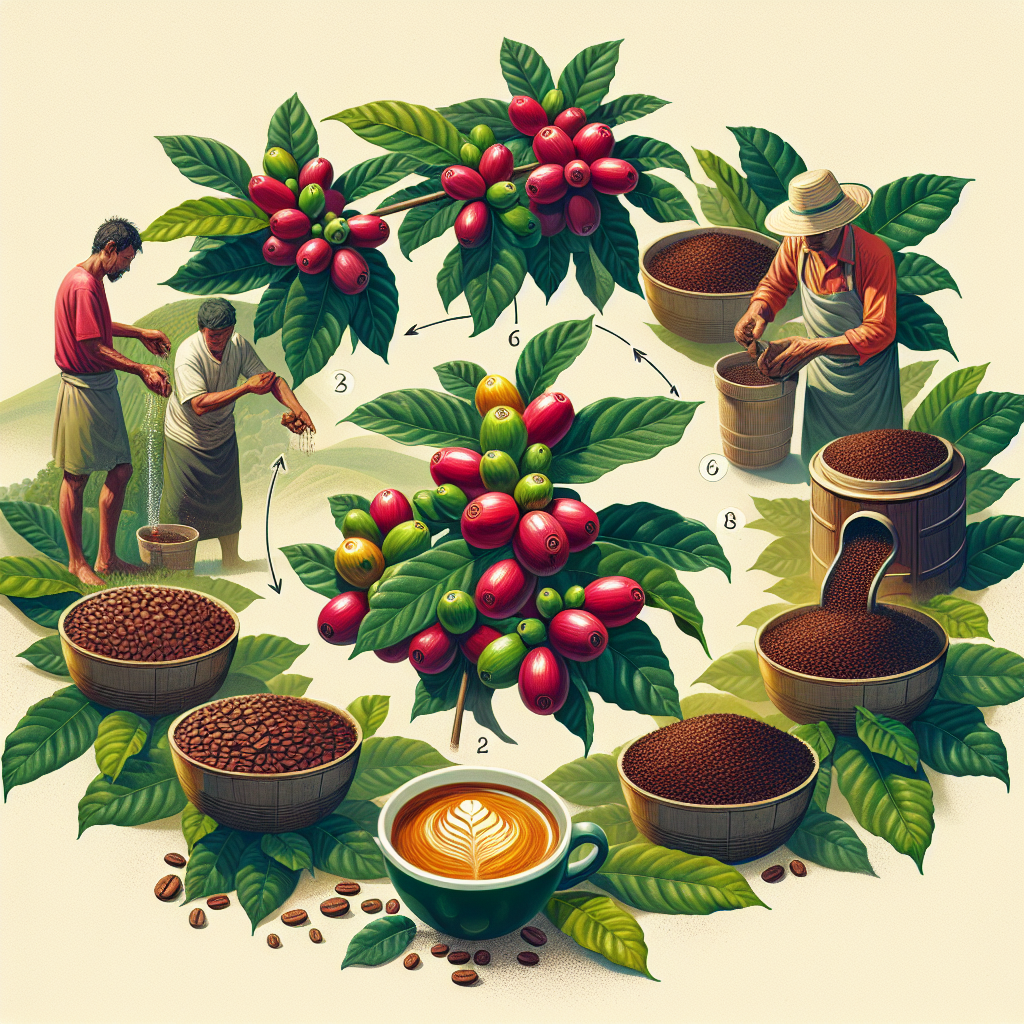
Colombian Coffee Lifecycle: Proven Steps for the Best Brew
Colombian coffee is renowned worldwide for its smooth, rich flavor profile and exceptional quality. Behind every cup lies a meticulous lifecycle that ensures each bean reaches its full potential before it is brewed. Understanding the Colombian coffee lifecycle can help coffee enthusiasts appreciate the craft involved and guide them in selecting or brewing the best cup of coffee at home. From planting to roasting, each stage plays a crucial role in delivering the exceptional taste Colombia is famous for.
The Origins: Cultivation and Harvesting
The Colombian coffee lifecycle begins in the lush, mountainous regions ideal for Arabica coffee cultivation. The country’s unique combination of altitude, volcanic soil, and climate contributes to the beans’ characteristic flavor and aroma.
Coffee plants typically take about 3-4 years before they start producing cherries. The harvesting season usually spans from October to March, varying across different regions. Colombian coffee farmers rely predominantly on manual picking, which involves selecting only the ripe red cherries. This selective harvesting ensures that only the best quality cherries are processed, enhancing the coffee’s final taste.
Processing Methods: Washed Process Perfection
Once harvested, the coffee cherries undergo the first critical step in the lifecycle: processing. Colombian coffee employs the washed or wet processing method, which involves removing the outer cherry pulp before drying the beans. This method tends to produce a cleaner, brighter cup, highlighting the bean’s natural acidity and sweet notes.
The washed process includes:
1. Pulping: Removing the outer skin of the coffee cherry.
2. Fermentation: Soaking beans to remove the sticky mucilage layer.
3. Washing: Cleaning beans with fresh water to eliminate residual sugars.
4. Drying: Sun-drying beans until they reach the optimal moisture content (usually about 10-12%).
This process, while labor-intensive, is crucial for developing the mild and aromatic profile that Colombian coffee is known for.
Milling and Quality Control
After drying, beans are hulled to remove the parchment layer and sorted by size and density. Colombian coffee farmers place immense importance on quality control during this stage. Defective beans are carefully removed to prevent off-flavors, ensuring consistency.
Samples from each batch are often cupped by experts to evaluate aroma, acidity, body, and flavor. This quality assessment helps maintain Colombia’s reputation on the global coffee stage.
Roasting: Unlocking the Bean’s Potential
Roasting transforms green coffee beans into the flavorful, aromatic beans ready for brewing. The roasting level profoundly influences the flavor profile, acidity, and body of the coffee.
For Colombian coffee, light to medium roast levels are preferred to preserve the bean’s bright acidity and fruity notes. Roasters typically monitor the beans carefully, adjusting time and temperature to achieve the ideal roast profile for each batch. Small-batch roasters often pride themselves on their ability to highlight the unique characteristics of beans from different Colombian regions.
Brewing: Perfecting the Cup
The final step in the Colombian coffee lifecycle is brewing the coffee to perfection. To maximize flavor extraction, consider the following:
– Use freshly ground beans to preserve aroma and flavor.
– Choose a brewing method that complements Colombian coffee, such as pour-over, French press, or drip coffee.
– Maintain the water temperature between 195°F and 205°F (90°C to 96°C) for optimal extraction.
– Use the recommended coffee-to-water ratio, generally around 1:16 for balanced strength.
These brewing methods and tips help highlight the signature smoothness and bright acidity of Colombian coffee.
Sustainability and Community Impact
Beyond the lifecycle stages, Colombian coffee farming increasingly incorporates sustainable practices. Many coffee producers participate in certifications such as Fair Trade, Rainforest Alliance, or Organic, focusing on environmental conservation and fair labor conditions.
Sustainable farming methods also include shade-grown coffee, which protects biodiversity and improves soil health. Supporting these practices helps ensure the Colombian coffee industry can thrive for generations to come.
Final Thoughts
The Colombian coffee lifecycle is a harmonious blend of nature, skill, and tradition. From careful cultivation and precise processing to expert roasting and mindful brewing, each phase culminates in the perfect cup of coffee. Understanding these proven steps allows coffee lovers to appreciate not only the sensory experience but also the dedication embedded in every bean. Whether you’re choosing your next bag of beans or perfecting your brewing technique, remembering this lifecycle ensures you enjoy the best Colombian coffee possible.