Colombian Coffee Flavor: Proven Tips for the Best Harvesting Seasons
Colombian coffee flavor captivates coffee enthusiasts worldwide, celebrated for its rich aroma, balanced acidity, and smooth, sweet finish. The quality and distinct characteristics of Colombian coffee are heavily influenced by the timing and methods of harvesting. Understanding the best harvesting seasons and how they affect flavor profiles can help producers, roasters, and even consumers appreciate this specialty coffee on a deeper level.
Why Harvesting Season Matters for Colombian Coffee Flavor
Coffee cherries do not all ripen simultaneously, and the timing of their harvest directly impacts the final flavor of the coffee. In Colombia, coffee harvesting seasons are largely dictated by the country’s diverse geography and climate. Since Colombia lies close to the equator, it benefits from relatively stable temperatures year-round, but rainfall patterns create distinct harvesting windows.
When coffee cherries are picked at peak ripeness, the beans develop complex sugars and acids that contribute to that classic Colombian coffee flavor: bright with fruity notes, yet smooth and well-rounded. Harvesting too early or too late can result in underripe or overripe beans, leading to bitterness or flatness in the cup.
Main Harvesting Seasons in Colombia
Colombia is unique compared to many coffee-growing countries because it experiences two main coffee harvesting periods in much of its growing regions:
1. Primary Harvest (Main Crop): October to December
This season is the most important for coffee producers. The majority of the cherries ripen during these months, producing coffee beans with optimal flavor and quality. The coffee harvested in this period tends to have brighter acidity and more pronounced fruity and floral notes.
2. Secondary Harvest (Mitaca): April to June
After a short resting period, the secondary harvest provides an additional crop. While the volume is typically smaller, coffee from this harvest can have slightly different flavor attributes, often milder and less acidic, reflecting the changing environmental conditions.
Knowing these seasons allows farmers to schedule their picking carefully, focusing efforts on harvesting only the ripe cherries to ensure the best possible quality.
Proven Tips for Optimizing Colombian Coffee Flavor During Harvest
1. Selective Picking
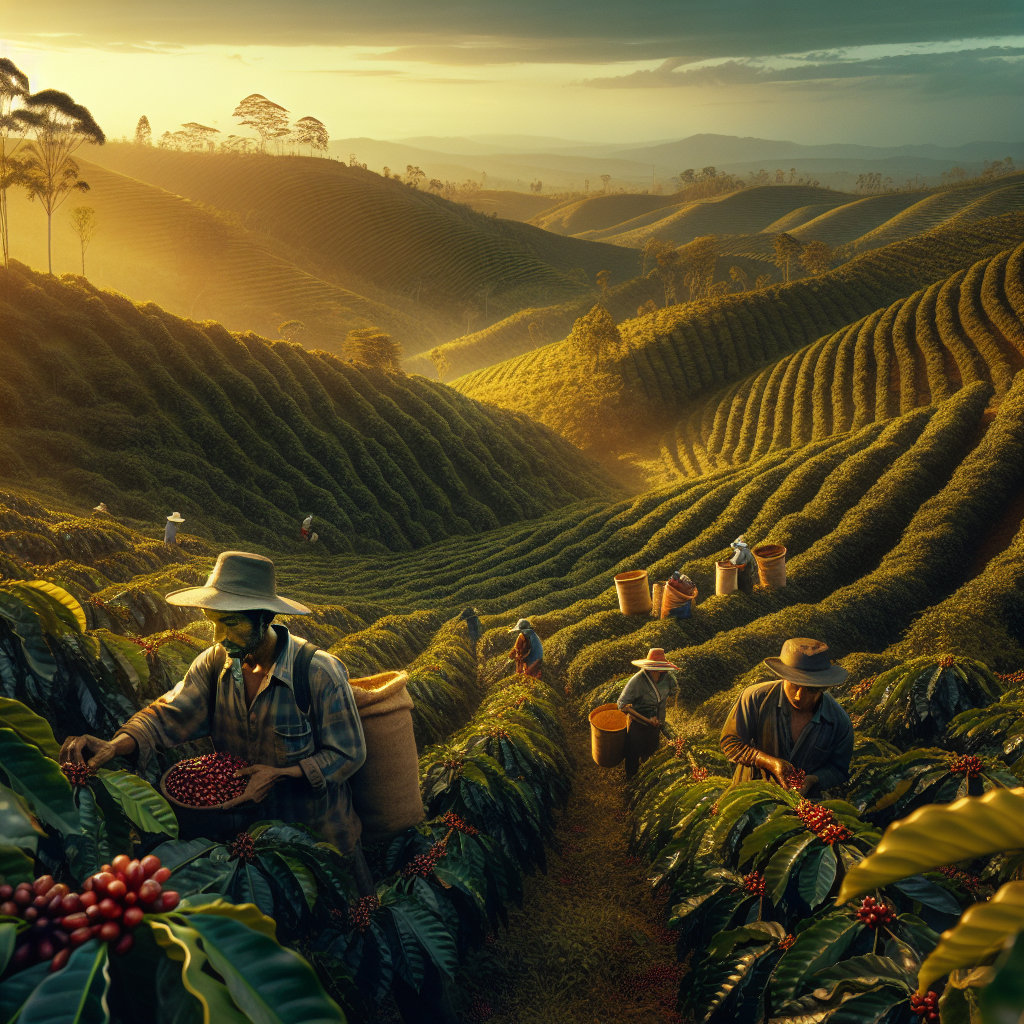
Not all coffee cherries mature at the same time. Selective hand-picking of only ripe cherries is crucial to preserving the coffee’s natural sweetness and complex acidity. This practice reduces the inclusion of unripe cherries, which can negatively affect the flavor by adding harsh, vegetal notes.
2. Monitor Microclimates
Colombia’s varied elevation from 1,200 to 1,800 meters above sea level creates microclimates that impact cherry maturation. Higher altitudes slow down the ripening process, often producing beans with more complex acidity and nuanced flavor profiles. Farmers should adjust their harvesting schedules based on data about these microclimates rather than relying solely on general calendar dates.
3. Weather Awareness
Rain patterns are critical. Heavy rains ahead of or during harvesting can cause coffee cherries to absorb excess water or ferment prematurely, leading to undesirable flavors. Monitoring weather forecasts allows farmers to plan harvesting around dry spells, maximizing the quality of the coffee cherries.
Post-Harvest Practices That Enhance Colombian Coffee Flavor
Once the cherries are harvested at the appropriate time, how they are processed and dried further influences the flavor profile. Traditional wet processing, common in Colombia, helps preserve vibrant acidity and clarity in the coffee. Proper fermentation, careful washing, and slow drying on raised beds under shade preserve the beans’ aromatic qualities.
Farmers who combine meticulous harvesting with rigorous post-harvest procedures produce coffee that consistently reflects the well-loved Colombian flavor profile.
Conclusion: Aligning Harvest Timing with Flavor Goals
For coffee lovers seeking the distinctive softness, brightness, and sweetness of Colombian coffee flavor, understanding the best harvesting seasons is vital. By focusing on the main harvest months from October to December, employing selective picking, and adjusting to specific microclimatic conditions, Colombian farmers deliver exceptional coffee year after year.
Consumer awareness of these seasonal nuances can guide better coffee selections and appreciation. When you savor a cup labeled as a specific regional harvest, you’re tasting months of deliberate labor timed perfectly with nature’s rhythms to produce one of the world’s finest coffees.