

Colombian Coffee: Essential Journey From Bean to Stunning Brew
Colombian coffee is renowned worldwide for its smooth taste, rich aroma, and superior quality. The journey from the coffee bean to the cup is a fascinating process shaped by a unique blend of geography, climate, tradition, and hard work. Understanding this journey offers a deeper appreciation of the coffee you savor and shines a light on the integral role Colombian coffee plays in the global market.
The Roots: Coffee History and Colombian Culture
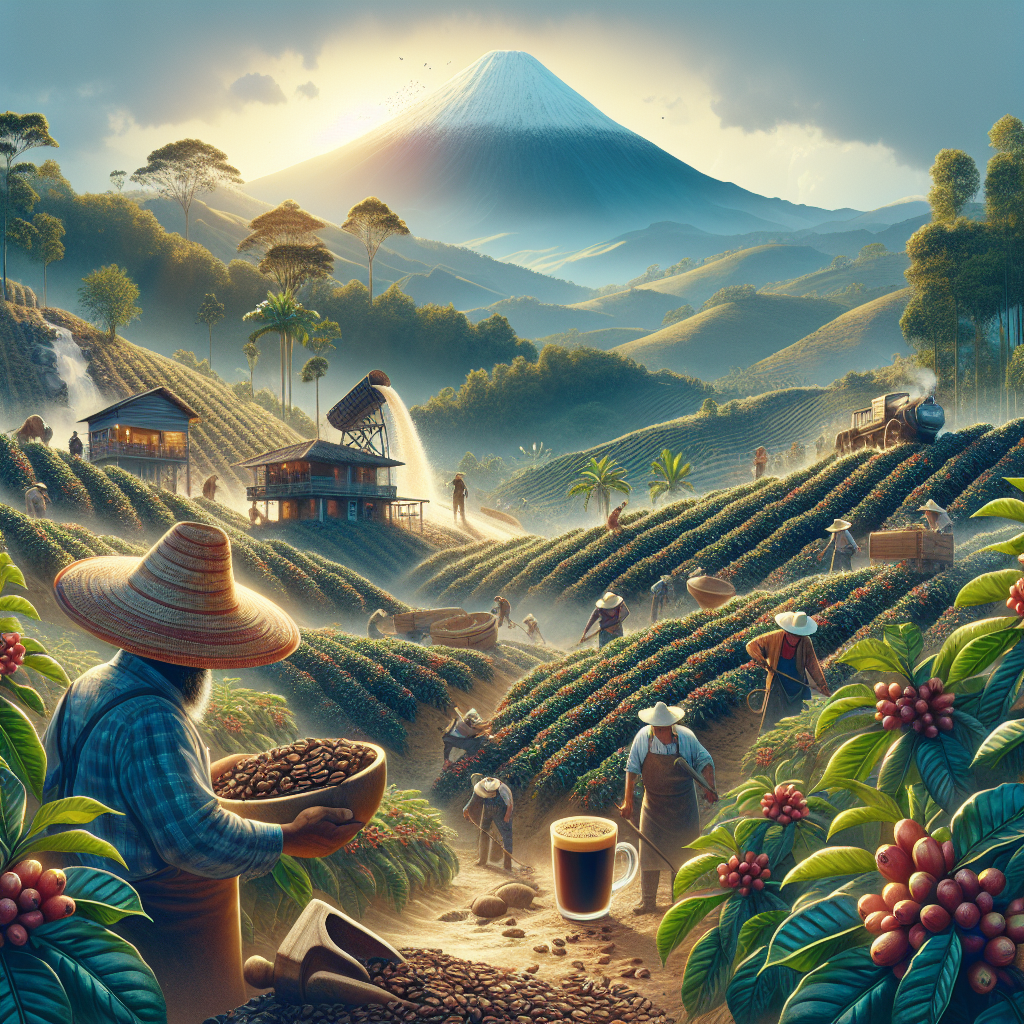
Coffee cultivation in Colombia dates back to the 18th century, becoming a vital part of the nation’s economy and culture. The Colombian coffee industry flourished primarily due to ideal growing conditions—nutrient-rich volcanic soil, high altitudes, consistent rainfall, and moderate temperatures. These factors created perfect environments for the Arabica coffee plant, known for its superior flavor profile.
Beyond economics, coffee is ingrained in Colombian culture and social life. The traditional coffee-growing regions, known as the Coffee Triangle or “Eje Cafetero,” embody the cultural heritage of the country. Families have passed down coffee farming knowledge through generations, maintaining sustainable practices and preserving biodiversity.
Coffee Cultivation: The Heart of Colombian Coffee Beans
The process of coffee cultivation is meticulous and labor-intensive. Colombian coffee farmers focus on Arabica beans, which thrive at altitudes between 1,200 and 1,800 meters. The coffee plants require specific conditions: ample shade, consistent temperature, and balanced rainfall throughout the year.
Farmers begin by preparing the soil and planting seeds in nurseries before transplanting them to their final locations. Since Colombian coffee is predominantly grown on small family farms rather than large estates, cultivation methods remain deeply personal and hands-on. This careful attention ensures the beans develop their well-known flavor complexity.
Coffee Harvesting: Timing and Techniques Matter
The quality of Colombian coffee beans starts during the harvesting phase. The best beans come from coffee cherries that are perfectly ripe—bright red and plump. Harvesting usually occurs between October and March, depending on the region.
Traditionally, Colombian farmers use selective picking, a method that involves handpicking only the ripest cherries. This labor-intensive approach improves bean quality by ensuring uniform ripeness, eliminating under or over-ripe cherries that can compromise flavor. Selective harvesting demands patience and skill but remains a hallmark of Colombian coffee excellence.
Traditional Coffee Methods: From Processing to Drying
After harvesting, the coffee cherries undergo processing, which significantly influences the final brew’s taste. Colombia primarily employs the washed or wet processing method. This technique removes the cherry pulp before drying the beans, resulting in a cleaner, brighter flavor profile.
The process begins with depulping the cherries, followed by fermenting the mucilage layer to loosen the remaining residue. After fermentation, the beans are thoroughly washed and dried either under the sun on raised beds or mechanically with dryers. Drying carefully ensures optimal moisture content, preventing mold and preserving quality.
Colombian Coffee Industry in the Global Coffee Market
Colombian coffee holds a prestigious reputation in the global coffee market, consistently ranking among the top coffee-exporting countries. The country’s commitment to quality has been bolstered by organizations like the National Federation of Coffee Growers of Colombia (FNC), which supports farmers through training, research, and marketing.
Colombian coffee beans are often classified by quality grades and regional characteristics, catering to an international clientele looking for dependable, premium coffee. This global demand encourages sustainable practices and empowers thousands of farming families, making coffee not only a cultural symbol but a means of livelihood.
Mastering Coffee Brewing for the Perfect Cup
Once at home or in a café, the experience of brewing Colombian coffee unlocks its full sensory potential. Different brewing techniques highlight diverse aspects of the coffee’s flavor. For example, pour-over methods accentuate clarity and acidity, while French press brings out fuller body and richness.
Using freshly ground Colombian coffee beans and clean, filtered water at the right temperature (around 195°F to 205°F) makes a substantial difference. Experimenting with grind size according to brewing style—fine for espresso, medium for drip, coarse for cold brew—can reveal new dimensions of flavor.
Conclusion
The journey of Colombian coffee from cultivation to brewing is a story of dedication, tradition, and respect for nature. Each step—from the fertile highland farms to careful handpicking, precise processing, and mindful brewing—contributes to the unforgettable cup enjoyed worldwide. Appreciating this process enriches the experience of Colombian coffee and honors the culture and people behind every brew. Whether you’re a casual drinker or a coffee aficionado, understanding these essential elements deepens your connection to one of the world’s most beloved beverages.
