Colombian Coffee Farming: Essential Proven Tips for Quality Brews
Colombian coffee is renowned worldwide for its rich flavor, balanced acidity, and bright aroma. Behind every cup lies a meticulous coffee farming process honed through generations of skilled farmers. Understanding the essentials of coffee farming in Colombia reveals how quality beans are produced sustainably while preserving the environment. For those interested in Colombian coffee, exploring the farming techniques provides valuable insights into what makes this coffee so exceptional.
The Coffee Farming Process in Colombia
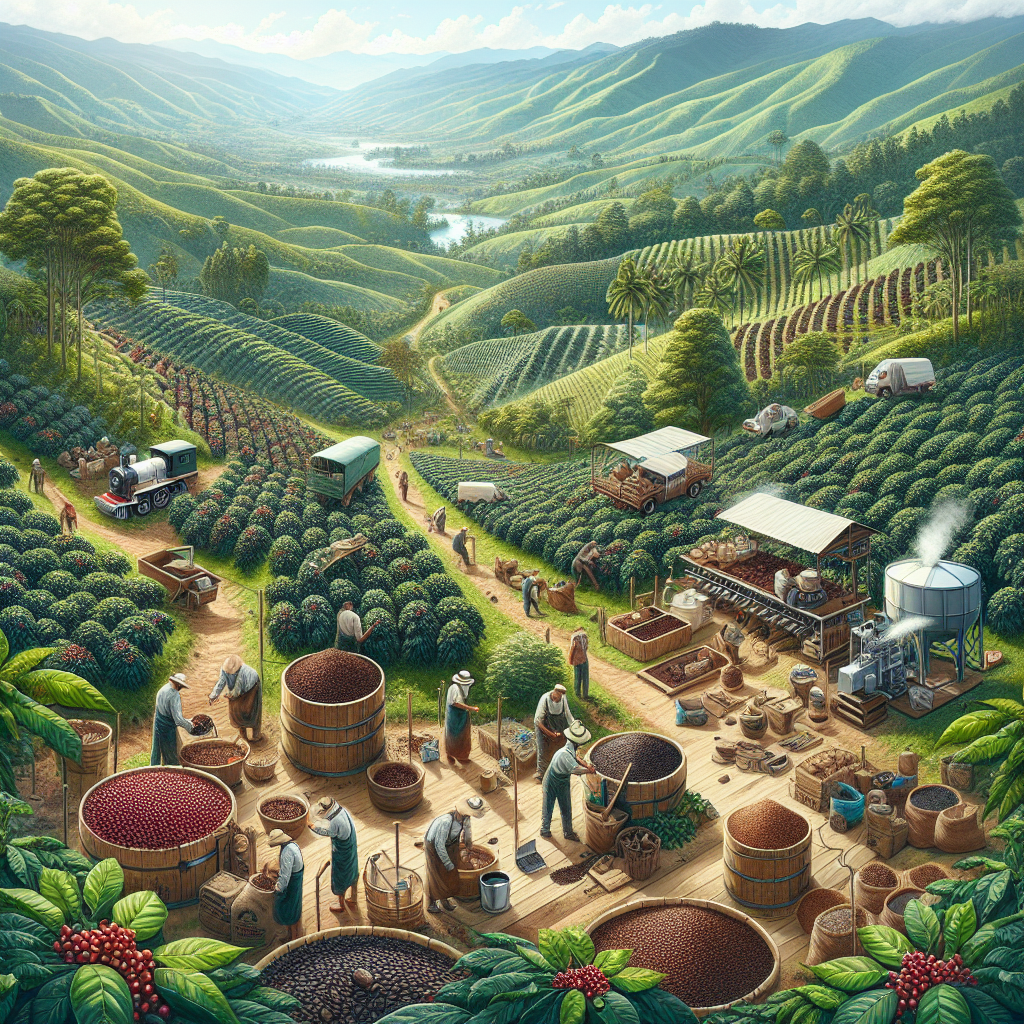
The journey toward Colombian coffee quality begins on the farm. Coffee production starts with selecting the right variety of coffee plants, typically Arabica, which thrive in Colombia’s high-altitude regions. Farmers cultivate coffee between 1,200 and 1,800 meters above sea level, where the climate is ideal—warm days and cool nights help develop the beans’ distinctive flavor profile.
Seedlings are carefully nurtured in nurseries before transplantation to ensure strong, healthy plants. Once planted, farmers engage in regular pruning to promote better airflow and sunlight penetration. This practice not only boosts yields but also prevents disease, a crucial aspect of maintaining Colombian coffee quality.
Sustainable Coffee Farming: A Commitment to Environment and Community
Sustainable coffee farming is increasingly important in Colombia’s coffee industry. Farmers adopt techniques aimed at reducing the environmental impact of coffee production. Shade-grown coffee, for example, preserves biodiversity and supports natural ecosystems by growing coffee under a canopy of native trees. This approach helps maintain soil quality, conserves water, and reduces the need for chemical fertilizers.
In addition, many farms participate in certification programs such as Fair Trade and Rainforest Alliance. Such certifications promote ethical labor practices and environmentally-friendly methods, ensuring coffee farming benefits local communities and reduces its carbon footprint.
Tips to Enhance Colombian Coffee Quality on the Farm
Ensuring Colombian coffee quality involves specific, tested farming tips:
– Optimal Harvesting Time: Coffee cherries should be picked at peak ripeness. Selective hand-picking ensures only the best cherries are harvested, which directly influences the final taste.
– Proper Drying Techniques: After harvesting, cherries are processed using washed or natural methods. Slow, even drying on raised beds prevents mold and preserves flavor nuances.
– Soil Health Management: Regular testing and organic composting enrich the soil, supporting robust plant growth and preventing nutrient depletion.
– Water Management: Efficient irrigation systems and rainwater harvesting minimize water use and prevent erosion.
– Pest and Disease Control: Integrated pest management strategies reduce reliance on harmful pesticides by combining biological, cultural, and mechanical controls.
Following these tips not only improves yield but also enhances the distinct fruity and caramel notes associated with Colombian coffee taste.
Understanding the Colombian Coffee Taste
The unique flavor of Colombian coffee comes from a blend of altitude, climate, and meticulous farming methods. Coffee grown in different regions—like Huila, Antioquia, or Nariño—exhibits diverse flavor profiles ranging from citrusy bright to chocolatey smooth.
Well-managed coffee farming ensures beans develop balanced acidity and medium body, with fragrant floral or fruity undertones. The consistent quality has cemented Colombia’s reputation on the global stage, making it one of the largest Arabica exporters worldwide.
The Environmental Impact of Coffee Production in Colombia
Coffee farming in Colombia faces challenges related to environmental sustainability. Conventional coffee production can contribute to deforestation, soil degradation, and water pollution if poorly managed. However, many Colombian farmers are actively mitigating these effects by adopting agroforestry systems and organic farming practices.
For example, incorporating nitrogen-fixing plants into coffee plantations improves soil fertility naturally without synthetic fertilizers. These initiatives help reduce greenhouse gas emissions, conserve wildlife habitats, and promote ecosystem resilience.
The Future of the Colombian Coffee Industry
As global demand for high-quality and ethically-produced coffee grows, the Colombian coffee industry is focused on innovation and sustainability. Coffee cooperatives offer training on climate-smart agriculture and facilitate direct trade relationships, benefiting farmers economically.
Advances in technology such as drone monitoring and smartphone apps are improving crop management, while research into disease-resistant coffee strains ensures long-term productivity. These developments promise to uphold Colombia’s legacy as a leader in premium coffee production.
—
In conclusion, the secret behind Colombian coffee’s global acclaim lies in the dedication to sustainable coffee farming practices and an intricate coffee farming process. Prioritizing quality from seedling to cup, Colombian farmers safeguard both the environment and the heritage of their craft. Whether a coffee aficionado or industry stakeholder, understanding these essential tips enriches appreciation for every flavorful brew served from Colombia’s rich coffee-growing lands.