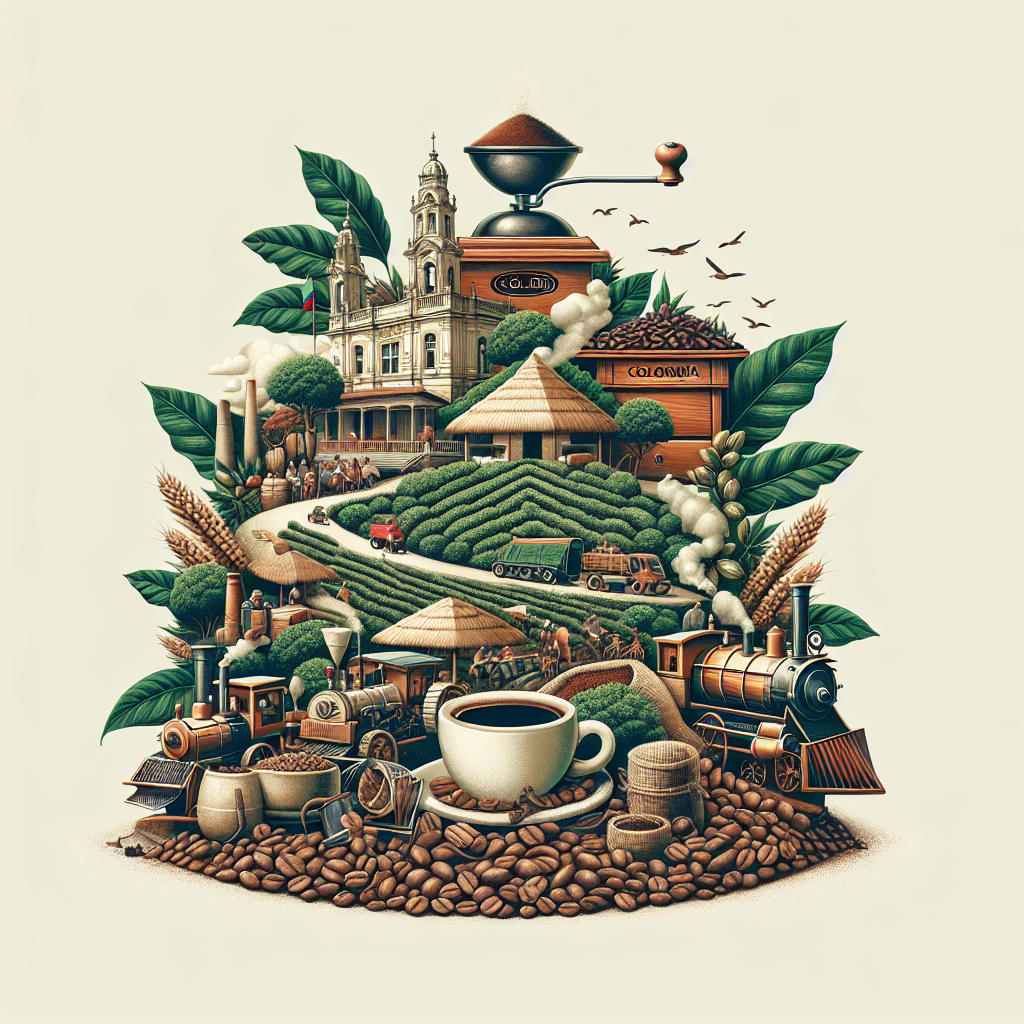
Colombian Coffee Culture: Essential Insights for Stunning Enthusiasts
Colombian coffee holds a special place in the world of specialty brews, thanks to its rich aroma, balanced flavor profile, and the passionate culture surrounding its production. To truly appreciate this legendary coffee, one must dive into the history of Colombian coffee, explore the intricate processes of cultivation and production, and understand the ongoing innovations and sustainability efforts defining its future. This article offers essential insights into Colombian coffee culture, providing stunning enthusiasts with a well-rounded perspective on what makes this coffee so extraordinary.
The History of Colombian Coffee: Roots of a National Treasure
The history of Colombian coffee dates back to the early 18th century when coffee plants were first introduced to the region. Over time, coffee became a cornerstone of Colombian agriculture, particularly thriving in the country’s mountainous zones due to favorable climates and rich volcanic soil. By the 19th century, Colombia had emerged as a significant coffee exporter, catalyzing economic development and shaping rural communities. The government’s establishment of the National Federation of Coffee Growers in 1927 further solidified coffee as a symbol of national identity and pride.
Understanding this historical context helps coffee lovers appreciate not just the beverage but the cultural fabric woven through decades of tradition and hard work.
Colombian Coffee Cultivation: Unique Conditions for Quality Beans
Colombian coffee cultivation relies heavily on the country’s diverse geography and climate. Situated within the “coffee triangle”—comprising the departments of Caldas, Quindío, and Risaralda—this region offers an ideal combination of altitude (ranging between 1,200 to 1,800 meters), temperature, and rainfall. Such conditions encourage Arabica coffee varieties to grow slowly, developing complex, bright flavors with subtle acidity.
Farmers in Colombia typically practice small-scale, family-run cultivation which emphasizes handpicking ripe coffee cherries, ensuring only the best beans are processed. Shade-grown techniques preserve biodiversity and protect soil health, making cultivation not only a tradition but a practice deeply tied to environmental stewardship.
Colombian Coffee Production: From Farm to Cup
Colombian coffee production follows meticulous processes to guarantee quality at every stage. Post-harvest processing often involves washed or wet methods, where coffee cherries are pulped, fermented, washed, and dried. This technique highlights the clarity and brightness characteristic of Colombian coffee.
Additionally, regional variations introduce nuanced flavor profiles—from fruity and floral notes in Nariño to chocolatey undertones in Huila. The National Federation of Coffee Growers plays a crucial role in supporting farmers with technical assistance, processing infrastructure, and quality control to maintain Colombia’s high standards on the global market.
Sustainability in Colombian Coffee: Balancing Tradition and Environment
Sustainability in Colombian coffee has become a key focus area as awareness of environmental challenges grows worldwide. Many Colombian farmers adopt eco-friendly practices, such as organic farming, water management, and reforestation initiatives, promoting long-term ecological balance.
The coffee industry has also invested in certifications like Rainforest Alliance and Fair Trade, benefitting both nature and coffee-growing communities by ensuring fair wages and ethical labor conditions. These sustainability efforts resonate strongly with contemporary consumers who prioritize responsible sourcing.
Colombian Coffee Innovation: Embracing the Future of Coffee
Innovation is reshaping the landscape of Colombian coffee culture. From embracing digital platforms for traceability to experimenting with different fermentation techniques, Colombian producers are actively evolving to meet changing market demands. Advances in coffee processing, like anaerobic fermentation and nitrogen flushing, have opened new flavor horizons, attracting younger coffee aficionados seeking unique experiences.
Moreover, specialty coffee shops in urban centers such as Bogotá and Medellín are fostering coffee education and appreciation through workshops, cuppings, and barista competitions, cultivating a deeper connection between producers and consumers.
Colombian Coffee Economy and Emerging Trends
The Colombian coffee economy remains a vital pillar of the national economy. As one of the world’s largest coffee exporters, Colombia significantly contributes to rural employment and GDP. However, farmers face challenges including price volatility, climate change impacts, and competition from other coffee-producing countries.
Emerging Colombian coffee trends reflect a robust pivot towards premiumization and diversification. There is increased demand for single-origin, traceable coffees and direct trade relationships between farmers and roasters. Integrating technology and transparency into the supply chain further strengthens Colombia’s position in a competitive global coffee market.
Looking Ahead: The Future of Colombian Coffee
The future of Colombian coffee looks promising yet complex. Climate change necessitates adaptive cultivation strategies and innovation in crop resilience. Concurrently, younger generations of coffee growers are incorporating modern agronomy and marketing techniques to appeal to international consumers.
With ongoing investments in sustainability, innovation, and community development, Colombian coffee culture is poised to evolve while honoring its deep roots. Enthusiasts can expect a continued array of remarkable flavors, fresh brewing techniques, and a vibrant coffee culture that connects tradition with forward-thinking vision.
—
For stunning enthusiasts eager to deepen their appreciation, Colombian coffee offers not just a beverage but a rich story of heritage, dedication, and innovation. Understanding these essential insights elevates every cup, making each sip an experience that celebrates one of the world’s most treasured coffee cultures.